Creating a family-friendly home requires carefully balancing safety, functionality, and style. Whether designing a new home or remodelling your existing space, integrating thoughtful design elements can make your home more comfortable and suitable for all family members. From choosing durable materials to incorporating open spaces for better interaction, here’s how to achieve the best family house design. These family friendly home design tips apply whether you are building from scratch or updating the home you have.
Prioritize Safety Without Compromising Aesthetics
Safety should be a top priority when designing a home for families, especially with young children. However, that doesn’t mean you have to sacrifice style. Here are some safety measures that blend seamlessly with a stylish interior:
- Rounded furniture edges: Opt for rounded edges to prevent injuries.
- Slip-resistant flooring: Hardwood, cork, or textured tile are great options to minimize slips.
- Secure cabinets and shelves: Install childproof latches on drawers and cabinets that store hazardous items.
- Safe staircases: Use sturdy railings and consider installing safety gates for younger children.
Open-Concept Living for Better Interaction
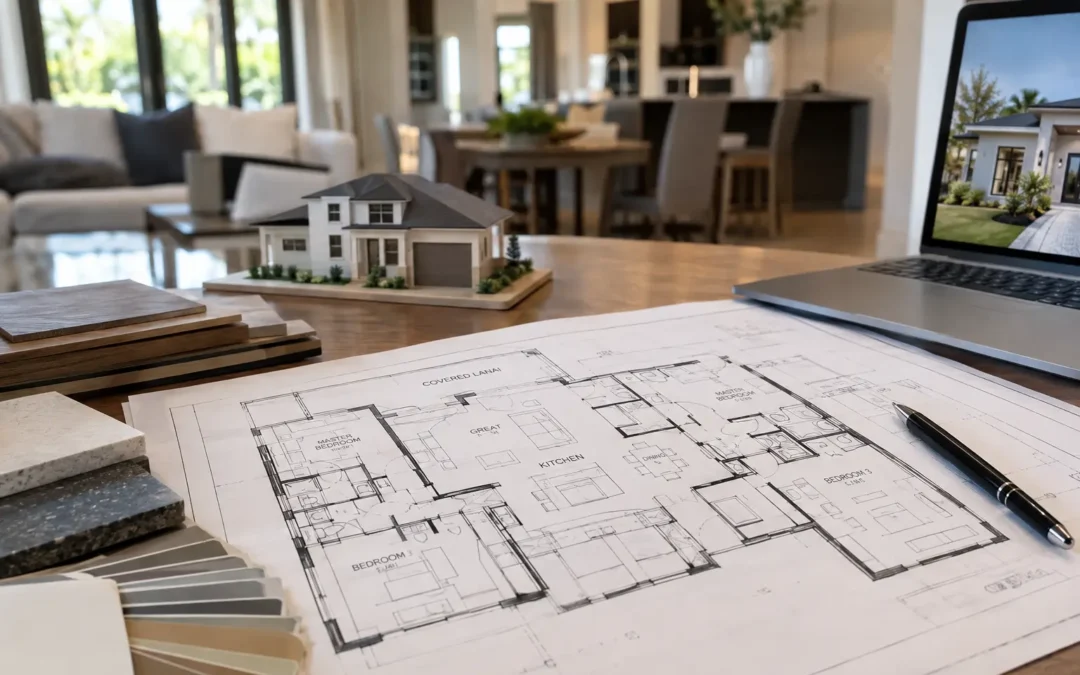
A family-friendly home thrives on interaction and connectivity. Open-plan designs are an excellent way to achieve this. Combining the kitchen, dining, and living areas into a single space allows family members to engage with one another while cooking, studying, or relaxing. Among the family friendly house features that pay off most is a layout with clear sight lines from the kitchen to the play areas. You can read more about the benefits of open-concept floor plans before you decide.
Consider using multifunctional furniture like extendable dining tables or sectional sofas to maximize space without compromising comfort.
Kid-Friendly and Pet-Friendly Materials
Choosing the right materials for your home is crucial in maintaining durability while ensuring safety. Some of the best materials for a family home interior design include:
- Washable paint: Walls can get messy with kids and pets around. Opt for washable paint to make cleaning easier.
- Stain-resistant upholstery: Go for microfiber, leather, or performance fabrics that resist stains.
- Hardwood or laminate flooring: These are easy to clean and withstand heavy foot traffic better than carpets.
For more ideas that work for both kids and animals, see these pet-friendly living room ideas.
Create Designated Play & Study Areas
A well-designed family home should have designated spaces for children to play and study. This not only keeps clutter away from main living areas but also helps in creating a structured environment for kids.
- Play areas: Incorporate soft flooring, storage bins, and creative wall art.
- Study nooks: Set up a quiet corner with a desk, good lighting, and necessary school supplies.
Smart Storage Solutions for an Organized Home
Keeping a family home clutter-free can be challenging. Integrating smart storage solutions into your home design can make organization effortless. Some effective storage ideas include:
- Built-in shelves and cabinets: Maximize wall space with built-in storage.
- Storage ottomans and benches: Dual-purpose furniture pieces can store toys, books, and other essentials.
- Under-bed storage: Utilize drawers or bins under the bed to keep extra bedding or clothes.
Incorporate Functional Outdoor Spaces
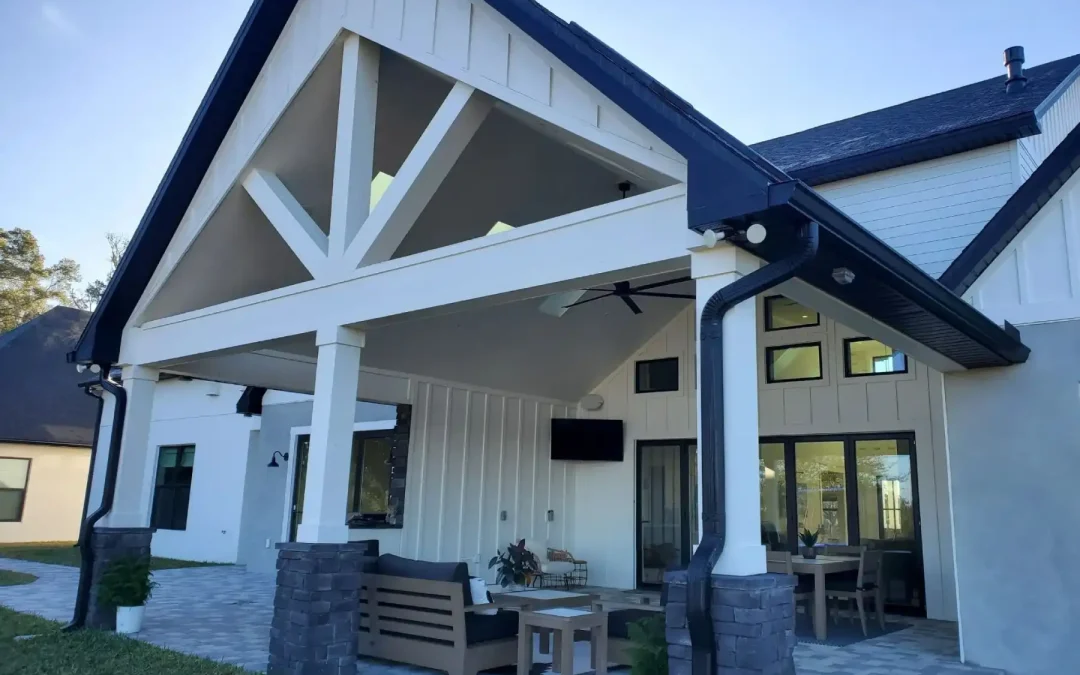
Outdoor spaces are essential in any family house ideas. A backyard, patio, or garden provides a great place for kids to play and for family gatherings. To make your outdoor space family-friendly, consider:
- Soft grass or artificial turf: Safer for kids to run and play.
- Shaded seating areas: Install pergolas or umbrellas for sun protection.
- Outdoor storage: Keep toys, gardening tools, and outdoor furniture neatly stored.
Energy-Efficient and Sustainable Choices
A family-friendly home should also be eco-conscious. Making energy-efficient choices not only helps the environment but also reduces utility bills. Consider:
- LED lighting: Uses less energy and lasts longer.
- Smart thermostats: Regulate temperature efficiently.
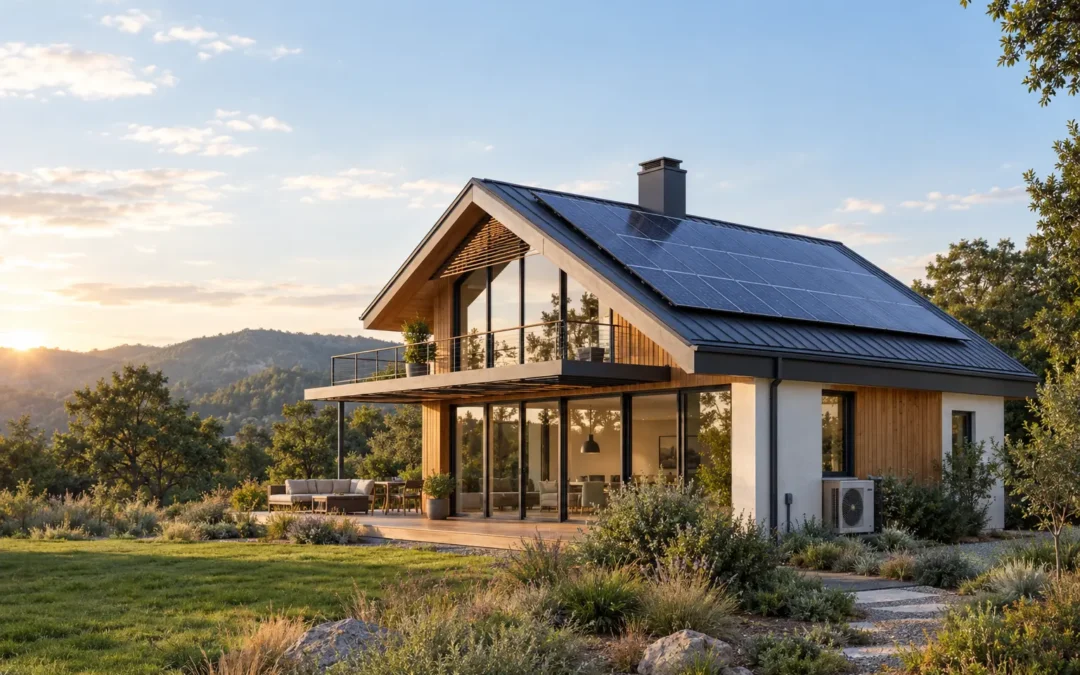
- Solar panels: A great long-term investment to save on electricity costs.
Our guide to energy-efficient home features covers more options to plan for.
Personalized Spaces for Every Family Member
While designing a home, it’s important to cater to the needs of every family member. Gathering family home design ideas from everyone, including kids and teens, helps the plan reflect real routines. Here are some ways to personalize spaces:
- Parents’ retreat: A quiet bedroom with a reading nook or mini lounge.
- Teen hangout area: A separate room or corner with comfortable seating and entertainment.
- Kids’ creative zones: Art stations, music rooms, or gaming spaces.
Larger households may also like these custom features for large family homes.
Smart Home Technology for Convenience
Integrating smart home technology makes managing a family home easier. Some must-have smart features include:
- Voice-controlled assistants: For hands-free operation of appliances.
- Smart locks and security systems: Enhance home safety.
- Automated lighting and blinds: Improve energy efficiency and convenience.
To see how these systems fit into a new build, read about smart home technology in modern custom homes.
Work with a Reliable Builder for Custom Homes
To bring your vision of a family-friendly home to life, it’s best to work with a professional. A builder for custom homes can help design and construct a home tailored to your family’s specific needs, ensuring the perfect blend of safety, style, and functionality.
Designing the best family house design requires careful planning and a balance between practicality and aesthetics. By incorporating safety features, durable materials, smart storage, and functional spaces, you can create a home that grows with your family. Whether you’re building from scratch or remodelling an existing space, these family house ideas will help you design a welcoming and comfortable home for everyone.
Frequently Asked Questions
What makes a home family-friendly?
A family-friendly home balances safety, durability, and function. Slip-resistant floors, childproofed cabinets, washable and stain-resistant finishes, open living areas, smart storage, and safe outdoor space are the most common elements. For a deeper look at the planning side, read our guide to designing a family-friendly home.
What are the best flooring options for a family home?
Hardwood, laminate, cork, and textured tile are good choices. They are easy to clean, stand up to heavy foot traffic better than carpet, and the textured options help reduce slips. If you have pets too, these pet-friendly living room ideas show which surfaces hold up best.
How can I make a home safe for young children without losing style?
Choose rounded furniture edges, sturdy stair railings, and childproof latches that blend into cabinetry, and add safety gates only where needed. Safety features can be built into the design rather than added on later. You can also plan for smart home fire safety during the design phase, so protection is part of the home from the start.
What are the easiest materials to maintain in a family bathroom?
Look for water-resistant, non-porous surfaces such as porcelain tile, quartz, and solid-surface countertops, which resist stains, moisture, and mold. Our list of low-maintenance bathroom materials covers more options.
How much storage does a family home need?
More than most families expect. Plan for a pantry, bedroom closets sized for growing children, and built-in storage near the entry and laundry areas, such as a mudroom bench with cubbies. Adding storage during the design phase costs far less than adding it later.
How do I plan outdoor space that is safe for kids?
Choose a fenced or clearly defined play area that you can see from the kitchen or living room. Use non-slip surfaces around patios and pools, add shade, and keep play areas separate from driveways and utility zones.