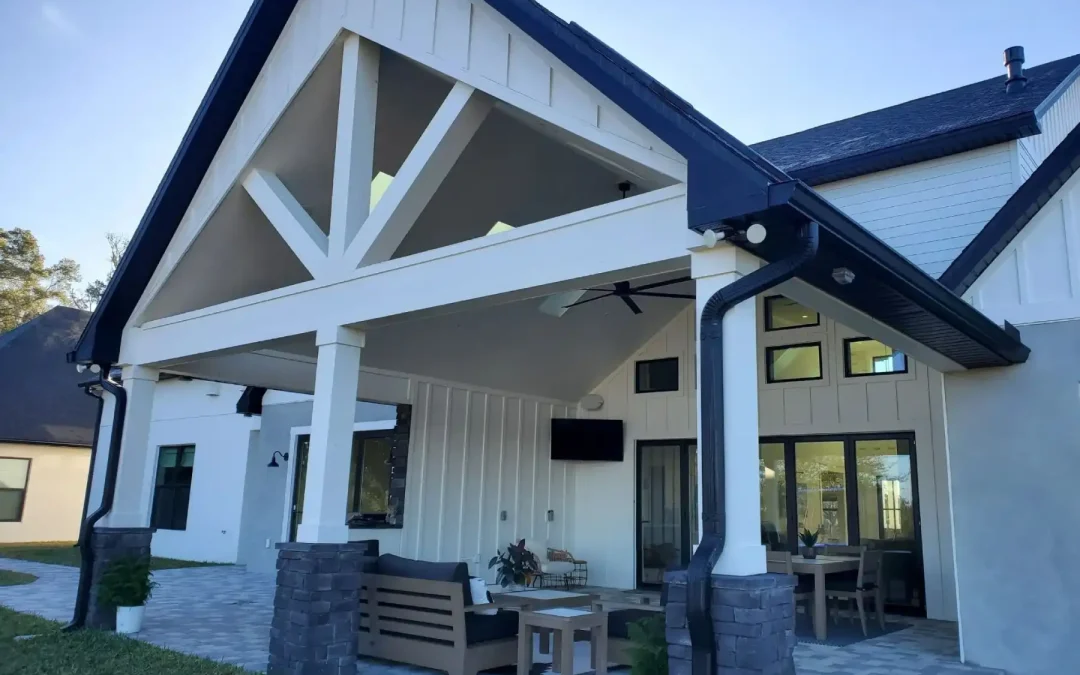
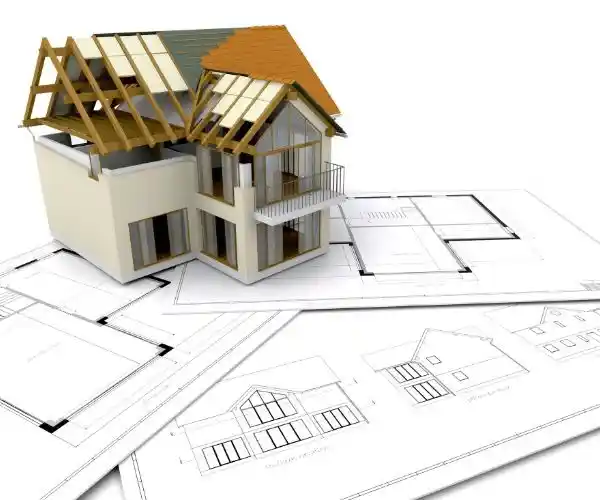
Planning a home addition is one of the most exciting ways to expand your living space, enhance your property value, and tailor your home to fit your lifestyle. Whether you’re dreaming of a larger kitchen, an extra bedroom, or a brand-new sunroom, building an addition on your home is a significant investment—one that requires thoughtful preparation, careful design, and the right team of professionals.
In this guide, we’ll walk you through everything you need to know to plan and execute a perfect residential addition, including budgeting tips, design strategies, project timelines, and expert advice from experienced builders. We’ll also highlight the importance of hiring trusted professionals such as Habri Builders, local home builders and specialized home builders in Brooksville, FL to ensure your project runs smoothly from concept to completion.
Why Consider a Home Addition?
Home additions offer several major benefits:
- Increased living space to accommodate growing families
- Higher property value with well-designed and functional rooms
- Improved comfort and functionality
- Customization opportunities to create the home you truly want
A well-planned addition can make your home feel brand-new without the stress of relocating.
Step 1: Determine Your Goals and Vision
Before you dive into blueprints or hire contractors, define why you’re planning a home addition.
Are you adding space for:
1: A master suite?
2: A home office?
3: A larger living room?
4: A second-story addition?
5: A garage or workshop?
6: A rental or in-law suite?
Understanding your goals helps you determine how to design a home addition that fits both your needs and your budget.
Clarifying Needs vs. Wants
Make a list of essential features and optional upgrades. This helps you stay focused during planning, especially when budgeting.
Step 2: Set a Realistic Budget
One of the most critical steps in building an addition on your home is establishing a clear budget.
Key Factors That Affect Costs:
- Size of the addition
- Structural complexity
- Material choices
- Plumbing, electrical, and HVAC needs
- Labor costs
- Permit and inspection fees
Tip:
Always include a contingency fund of 10–20% for unexpected costs.
Step 3: Work with Experienced Local Home Builders
Hiring the right team is essential to a successful home addition. Skilled builders bring knowledge, craftsmanship, and experience that DIY videos simply can’t match. Rather than navigating the complexities alone, partner with trusted professionals such as local home builders who understand building codes, zoning laws, and structural requirements.
For homeowners in Florida, especially those in Hernando County, Habri Builders, home builders in Brooksville, FL offer specialized expertise in residential construction suited to the local climate and architectural styles.
Step 4: Creating the Perfect Design Plan
When learning how to design a home addition, the design phase is where your ideas take shape. A well-designed plan ensures that your addition feels natural and blends seamlessly with the rest of your home.
Key Design Considerations
- Match Architectural Style
Your new addition should complement your home’s existing style—rooflines, siding, windows, and trim should blend aesthetically.
- Create Functional Layouts
Think about traffic flow, accessibility, lighting, and how the new area connects to the current floor plan.
- Plan for Natural Light
Strategic window placement and skylights can make your addition feel bright and inviting.
- Consider Future Needs
Think long-term. For example, if you’re adding an office, could the space be converted into a bedroom later?
- Choose Quality Materials
Durable materials reduce maintenance costs and increase value.
Step 5: Understand Local Zoning and Permits
Before construction starts, you must ensure your project complies with local building regulations. This includes:
- Zoning restrictions
- Property line setbacks
- Height limitations
- Utility easements
- Structural requirements for Florida’s climate
Professional builders handle these requirements for you, ensuring your project remains legal and safe.
Step 6: Plan the Construction Timeline
A typical residential addition project can take anywhere from 2 to 6 months depending on size and complexity.
General Timeline Breakdown
Phase 1: Planning and Design (2–6 Weeks)
Includes consultations, architectural drawings, and permit applications.
Phase 2: Site Prep and Foundation Work (1–3 Weeks)
Clearing the area, excavation, pouring the foundation.
Phase 3: Framing and Structure (2–4 Weeks)
Building walls, roof, and structural elements.
Phase 4: Mechanical Systems (1–3 Weeks)
Electrical wiring, plumbing, and HVAC installation.
Phase 5: Insulation and Drywall (1–2 Weeks)
Phase 6: Interior Finishing (2–6 Weeks)
Flooring, painting, cabinetry, fixtures, and trim.
Phase 7: Final Inspection and Walkthrough
Ensuring everything meets building codes and your expectations.
Step 7: Tips for a Smooth Home Addition Project
Communicate Clearly with Your Builder
Set expectations early and maintain open communication throughout the project.
Minimize Changes During Construction
Changes mid-project increase costs and delays.
Plan for Temporary Disruptions
Dust, noise, and limited access to parts of your home are everyday.
Stay Involved but Trust Your Builder
Regular updates are essential, but micromanaging can slow progress.
Choose Energy-Efficient Options
Insulation, windows, and appliances can reduce long-term utility costs.
Step 8: Designing a House Addition That Adds Real Value
When planning a design house addition, think beyond aesthetics. Features that typically increase home value include:
High-Value Additions
- Master suite addition
- Kitchen expansion
- Second-story additions
- Sunrooms
- Garage additions
- Home offices
- In-law suites
Small Additions with Big Impact
- Breakfast nook
- Storage room
- Laundry room upgrade
Step 9: Ensure Proper Inspections and Final Approval
Before your addition can be considered complete, it must pass final inspections. These ensure that:
- Structural work meets safety standards
- Electrical and plumbing work is up to code
- Insulation and fire safety measures are properly installed
Your builder will coordinate these inspections with the local authorities.
Why Hiring Experts Matters
Partnering with experienced, reputable builders ensures:
- Higher quality craftsmanship
- Accurate timelines
- Transparent budgeting
- Compliance with all building codes
- Stress-free project management
Whether you’re upgrading your home’s footprint or designing an entirely new living space, working with expert local home builders or specialized home builders in Brooksville FL is essential for success.
Planning and building a home addition is a rewarding journey—but it requires careful planning, thoughtful design, and professional expertise. By understanding the steps involved and partnering with experienced builders, you can execute a seamless, visually stunning, and functional addition that enhances your home for years to come.
From defining your goals and designing a layout to hiring the professionals and managing the construction process, each step is vital in bringing your vision to life. With the right strategy and support, your dream residential addition can become a beautiful reality.
Ready to begin your home transformation? Start by consulting trusted experts like Habri Builders, local home builders or skilled home builders in Brooksville, FL to bring your home addition dreams to life.