Thinking about a new home? You’re faced with an enormous choice: build your own or buy one already made. Both have perks and pitfalls, but building your custom home has unique benefits that might just tip the scales. The benefits of building a custom home go well beyond layout, and the sections below walk through the biggest ones. Let’s dive into why crafting a house from scratch might be the way to go.
Key Takeaways
- Custom homes offer unmatched personalization, letting you design every nook and cranny to fit your lifestyle.
- Building your home means ensuring the best quality and craftsmanship using materials you trust.
- You can incorporate energy-efficient technologies and sustainable materials, saving money and the planet.
- Selecting the perfect plot of land gives you control over location, privacy, and proximity to amenities.
- Managing the budget and timeline can help avoid hidden costs and delays.
Personalization and Design Freedom: Tailoring Every Detail to Your Vision
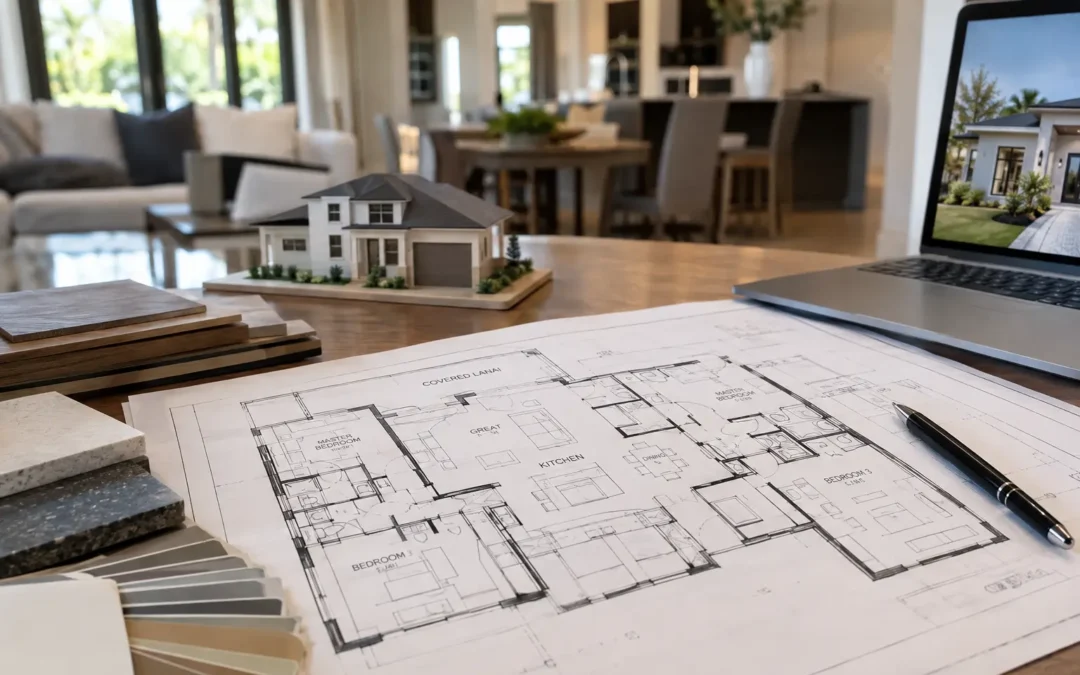
Building a custom home means you can personalize every single aspect. Want a sunroom that catches the morning light just right? Or maybe a sprawling kitchen island for those family gatherings? It’s all possible. This is your chance to create a space that reflects your style and meets your family’s needs. Every corner of your custom home can reflect your taste. This design freedom is one of the most valued custom home benefits, since the finished space reflects how you actually live. If you want help getting started, read how to design a custom home for your lifestyle.
Incorporating Unique Architectural Features
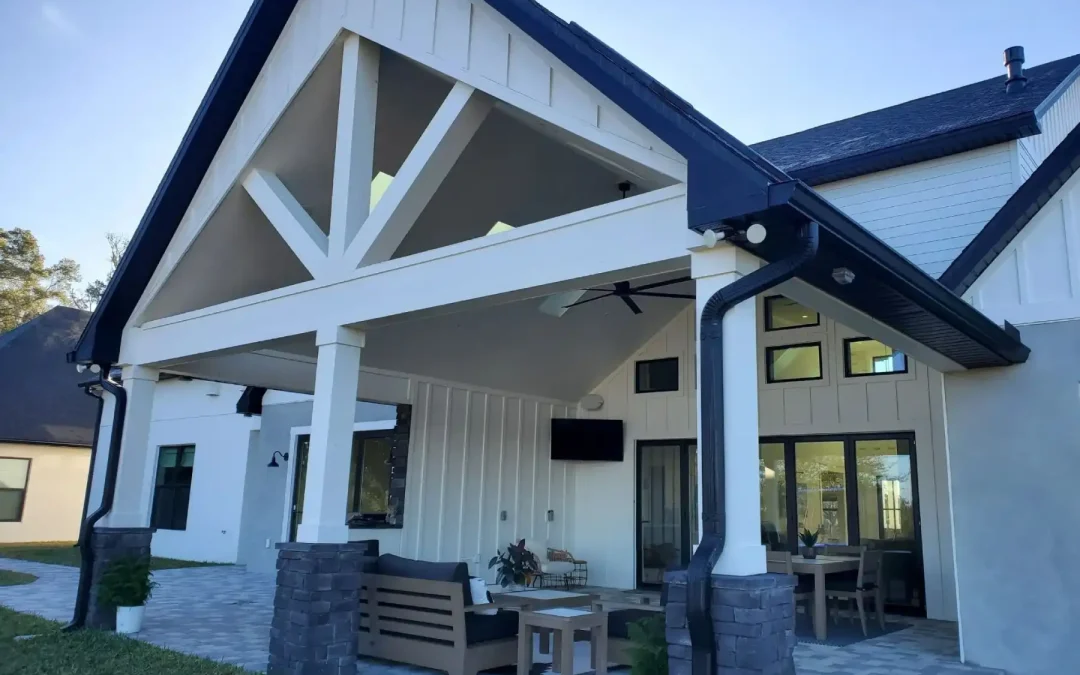
You’re not confined to a builder’s standard plans when you build custom. You can incorporate unique architectural features that you’ve always dreamed of. Think vaulted ceilings, intricate moldings, or a grand staircase. These elements make your home stand out and give it character.
Choosing Custom Finishes and Materials
The materials you choose for your home can significantly impact its look and feel. With a custom build, you can select every finish and material, from the flooring to the fixtures. Whether you prefer the warmth of hardwood floors or the sleekness of modern tiles, the choice is yours. Plus, you can opt for eco-friendly materials to make your home more sustainable.
Quality and Craftsmanship
When you build a custom home, you choose a path that allows you to prioritize quality over everything else. Unlike pre-built homes, where cost often trumps quality, custom homes put you in the driver’s seat. You can set the bar high for construction standards, ensuring that every nail, beam, and brick meets your expectations. This means fewer issues and a home that stands the test of time.
Working with Skilled Craftsmen
Building a custom home means collaborating with skilled craftsmen who bring your vision to life. These professionals are experts in their field, often with years of experience. They have the knowledge and skills to execute complex designs and intricate details that might be impossible in mass-produced homes. Working closely with these artisans ensures that every aspect of your home is crafted with precision and care.
Selecting High-Quality Materials
One of the most significant advantages of a custom home is the ability to choose your materials. You can opt for high-quality options that look great and offer longevity and durability. Whether selecting hardwood floors, marble countertops, or energy-efficient windows, the choice is yours. This level of control means you don’t have to settle for subpar materials that might be common in pre-built options. Instead, you can create a home that reflects your standards and style.
Building a custom home is like creating a masterpiece. Every decision, from the layout to the finishes, is a brushstroke on the canvas of your living space. It’s about crafting a home that meets your needs today and adapts to your future.
Energy Efficiency and Sustainability
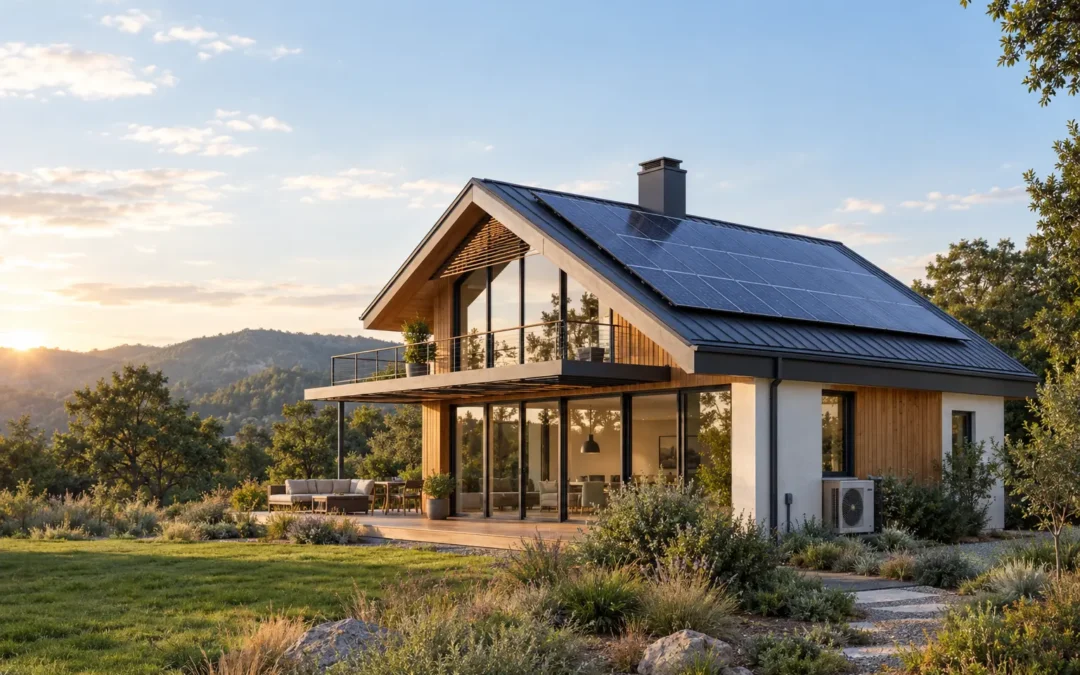
Building a custom home offers a unique chance to integrate energy-efficient and sustainable features immediately. This means significantly reducing your environmental footprint while enjoying lower utility bills. Our guide to energy-efficient home features shows what to plan for.
Incorporating Eco-Friendly Technologies
When designing your custom home, you can incorporate the latest eco-friendly technologies. Consider installing solar panels, which can drastically cut down on electricity costs. Geothermal heating and cooling systems are another great option, providing efficient temperature regulation with minimal environmental impact. You might also consider smart home technologies that optimize energy use, like automated lighting and thermostat systems.
Designing for Energy Efficiency
Custom homes allow you to prioritize energy efficiency in every aspect of design. This includes choosing high-quality insulation materials to ensure your home stays warm in the winter and cool in the summer. Double or triple-glazed windows can further enhance energy savings by reducing heat loss. Additionally, positioning your home to maximize natural light can decrease the need for artificial lighting during the day.
Reducing Long-Term Environmental Impact
By selecting sustainable building materials, you can lessen your home’s long-term environmental impact. Opt for durable and eco-friendly materials like bamboo flooring or recycled steel. Implementing rainwater harvesting systems can also contribute to sustainability by reducing water consumption.
Custom homes offer the perfect opportunity to build with the future in mind, ensuring your living space is comfortable and kind to the planet.
In comparison, prefab homes might also achieve energy efficiency thanks to their factory-controlled environment, which can minimize waste and ensure precision in construction. However, with a custom home, you have full control over every detail, allowing for a truly personalized approach to sustainability and efficiency.
Location and Land Selection: Choosing the Perfect Plot for Your Needs
Picking the right spot for your custom home is a big deal. It’s not just about the view, though that’s important too. Think about what you need most. Are you looking for peace or want to be in the middle of everything? Finding a lot that fits your lifestyle is key. Some folks want to be close to schools or work, while others might dream of a more secluded place. It’s all about what matters most to you.
Maximizing Privacy and Views
When you build your house, you can decide how private or open you want it to be. Maybe you want a big backyard with trees all around or a spot on a hill with a sweeping view. Custom homes let you choose a location that gives you the privacy you crave. Plus, you can design your home to make the most of your fabulous views.
Considering Proximity to Amenities
Living close to amenities can make life a lot easier. Think about how close you want to be to stores, restaurants, and other conveniences. Being near a bustling area is exciting for some, while others might prefer a slower pace. Building a custom home lets you pick a spot that balances convenience with your personal preferences.
Location is more than just a pin on a map. It’s about creating a space that fits your life perfectly. Whether you prioritize privacy, convenience, or views, building a custom home offers the flexibility to choose a location that truly feels like home.
Budget and Timeline Control
Managing Costs Effectively
Building your custom home might seem like a financial beast, but with the right approach, it’s doable. Proper budgeting is your best friend here. You get to decide where to splurge and where to save, tailoring your expenses to fit your financial plan. Think about using a budget calculator to keep track of everything. It’s not just about the upfront costs; consider the long-term savings from energy-efficient appliances or a well-insulated home. These choices can save you money down the road. For a step-by-step approach, see our guide to setting a budget for your custom home.
Setting Realistic Timelines
Let’s face it: building a house takes time. But the good news? You have control over the timeline. Work closely with your builder to set a realistic schedule. Be prepared for some hiccups, such as weather, permits, or supply chain issues, that can throw a wrench in the works. But with a solid plan, you can keep things moving. Regular check-ins with your construction team help you stay on top of progress and tackle any delays head-on.
Avoiding Hidden Expenses
Hidden costs are like sneaky calories in your favorite snack: easy to overlook but add up fast. Make sure you know what’s included in your builder’s quote and what’s not. Ask about potential extras like landscaping, permits, or utility connections. Having a contingency fund is smart, so you’re not caught off guard by unexpected expenses. Transparency with your builder can help avoid surprises, keeping your budget intact.
Long-Term Value and Investment
Many of the advantages of custom homes show up years after move-in, in lower maintenance, better efficiency, and stronger resale appeal.
Enhancing Resale Value
When you build a custom home, its resale value often outshines that of pre-built homes. Why? Because it’s unique. Buyers love something different, something that stands out. Custom homes usually have better-quality materials and unique features that catch the eye. This can mean a higher price tag when you decide to sell. A custom home’s distinctiveness and quality can lead to greater returns.
Building for Future Needs
Custom homes let you plan for the future. Want a home office? A playroom for the kids? Extra space for aging parents? You can do all that. You can decide what fits your lifestyle now and what might be needed later. It’s all about ensuring your home grows with you, meeting your needs as they change over time.
Creating a Legacy Home
A custom home isn’t just a place to live; it’s something you can pass down. It’s like creating a family heirloom. You design it, live in it, and then it becomes part of your family’s story. This is more than just a house; it’s a legacy. And that kind of emotional and financial investment is hard to beat.
Building a custom home is about more than the present. It’s about crafting a place that will hold financial and emotional value for generations to come.
When considering the higher costs and longer construction times of custom-built houses, the long-term investment and personal satisfaction often outweigh these challenges. Custom homes can be a smart choice for those looking to invest in something truly unique and lasting. If you are still weighing the numbers, this look at whether a custom home is worth the investment can help.
Final Thoughts
Ultimately, deciding whether to build a custom home or buy a pre-built one depends on what you want. Custom home builders bring your vision to life by designing and constructing homes uniquely according to your preferences. You’ll be free to choose everything from the layout, materials, and location. But remember, it might take a bit longer and cost more. On the other hand, if you’re looking for something that’s ready to go and maybe a bit easier on the wallet, a pre-built home could be the right choice. It’s all about weighing the pros and cons and determining what matters most to you. Whatever you choose, make sure it feels like home.
Frequently Asked Questions
What are the main benefits of building a custom home?
The biggest benefits are design freedom, higher construction quality, built-in energy efficiency, control over location, and a home planned around your future needs. Instead of adapting your life to an existing layout, you shape the home to fit how you live.
Is a custom home worth the extra cost?
For many buyers it is, because a custom home is built around how they live and can hold its appeal at resale. It usually costs more and takes longer than buying a pre-built home, so the answer comes down to your budget, timeline, and priorities. This look at whether a custom home is worth the investment can help you weigh the trade-offs.
Do custom homes have better resale value?
Often they can, thanks to better materials and distinctive features, but results depend on location, quality, and market conditions. Balancing personalization with broad appeal helps protect resale value. You can read more about how custom homes increase property value in our guide.
How does a custom home compare to buying an existing home?
An existing home is usually faster to move into, but you may need to compromise on layout or pay for renovations later. A custom build takes longer, yet gives you modern construction standards and a design made for you. Our comparison of new construction versus an existing home goes into more detail.
Can I choose where my custom home is built?
Yes. Many homeowners build on land they already own or buy a lot that fits their goals. Before you commit, confirm zoning, utility access, and site conditions so there are no surprises once construction begins.
How do I keep a custom home within budget?
Share your budget with your builder at the start, and decide which features matter most before design begins. Setting a realistic budget for your custom home also helps you avoid costly changes during construction.