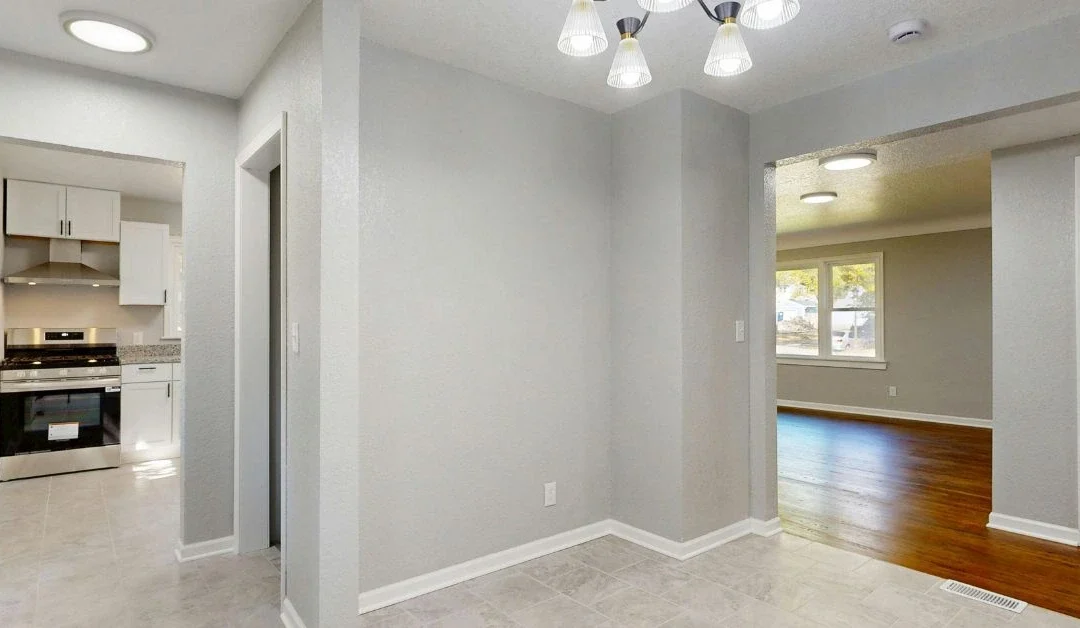
Fire hazards remain one of the most serious threats to residential properties. Every year, thousands of homes are damaged by electrical faults, kitchen accidents, heating equipment failures, and poor structural planning. While smoke alarms and extinguishers are critical, the most powerful protection starts much earlier—during the planning and construction phase. Implementing fire-safe design principles in your home can dramatically reduce risks, minimize damage, and, most importantly, save lives.
Modern construction techniques and smarter architectural planning now allow homeowners to build properties that actively prevent the spread of fire and improve evacuation safety. Let’s explore how thoughtful fire-safety design plays a crucial role in protecting families.
Why Fire Safety Should Start at the Design Stage
Many homeowners focus on décor, layout, and aesthetics, but overlook structural fire protection. However, incorporating fire safety design into your blueprint ensures your home is built with prevention in mind rather than a reactive approach.
Smart design reduces:
- Fire ignition risks
- Rapid flame spread
- Smoke accumulation
- Structural collapse
- Evacuation barriers
When safety is built into the structure itself, the home becomes naturally more resilient against emergencies.
1. Smart Layout Planning Improves Escape Routes
One of the most critical elements of design for fire safety is creating clear and accessible escape paths. A well-designed home includes:
- Multiple exit points
- Wide hallways
- Strategically placed staircases
- Bedrooms located near exits
Open-concept layouts can also reduce smoke entrapment in small enclosed spaces. Smart placement of doors and windows ensures faster evacuation and better accessibility for firefighters.
Professional new home builders in Spring Hill understand how to incorporate safety-driven layouts while maintaining comfort and style.
2. Fire-Resistant Building Materials Matter
Choosing the right materials significantly enhances fire safe design. Modern construction offers fire-resistant alternatives that slow down flame spread and reduce structural damage.
Common fire-resistant materials include:
- Fiber cement siding
- Fire-rated drywall
- Metal roofing
- Concrete blocks
- Tempered glass windows
These materials don’t just resist ignition—they buy valuable time during emergencies, allowing occupants to evacuate safely.
Working with an experienced builder for custom homes ensures the right balance between aesthetics and safety-focused materials.
3. Smart Electrical Planning Reduces Ignition Risks
Electrical malfunctions are one of the leading causes of residential fires. Intelligent fire safety design includes:
- Proper circuit load distribution
- Arc-fault circuit interrupters (AFCIs)
- Ground-fault protection
- Organized wiring systems
- Safe outlet placement
Overloaded circuits and outdated wiring significantly increase fire risks. By integrating modern electrical planning into your home’s design, you eliminate many preventable hazards.
4. Kitchen Design for Fire Prevention
The kitchen is often the highest-risk area for home fires. Smart design for fire safety in kitchens includes:
- Adequate space between cooktops and flammable materials
- Heat-resistant countertops
- Built-in ventilation systems
- Fire-rated cabinetry
- Proper appliance placement
Designing kitchens with fire-resistant materials and thoughtful spacing minimizes accidental ignition.
5. Smoke Control and Ventilation Systems
Smoke inhalation causes more fatalities than flames in many house fires. Advanced fire safe design integrates:
- Smoke ventilation systems
- Strategically placed windows
- High ceilings for smoke dispersion
- Smart HVAC zoning
Modern smart home systems can also automatically trigger alarms, ventilation fans, and emergency lighting when smoke is detected.
6. Fire-Resistant Roofing and Exterior Design
Exterior protection is just as important as interior planning. Ember attacks during wildfires or nearby structure fires can ignite roofs and siding.
Effective fire safety design includes:
- Class A fire-rated roofing
- Non-combustible siding
- Sealed roof edges
- Ember-resistant vents
- Fire-resistant landscaping (defensible space)
Proper exterior design significantly reduces the risk of fire spreading from outside sources.
7. Smart Home Technology Enhances Safety
Today’s smart homes go beyond convenience—they enhance life-saving protection.
Integrated fire safety features include:
- Smart smoke detectors
- Heat sensors
- Automated sprinkler systems
- Remote alerts to mobile devices
- Emergency lighting systems
By incorporating technology into your design for fire safety, homeowners gain real-time alerts and faster response times.
8. Structural Compartmentalization Slows Fire Spread
Compartmentalization is a powerful but often overlooked strategy in fire safe design. This involves creating fire-resistant barriers within walls, floors, and ceilings to prevent flames from spreading rapidly.
Fire-rated doors and insulated walls create sections within the home that contain fire to one area, allowing more time for evacuation and emergency response.
9. Safe Placement of Heating Systems
Heating equipment is another common cause of residential fires. Proper fire safety design ensures:
- Furnaces are isolated in ventilated areas
- Water heaters are safely enclosed
- Fire-rated walls separate mechanical rooms
- Safe clearance around heating appliances
Planning these elements during construction dramatically lowers risk.
10. Why Professional Builders Make a Difference
Designing a fire-resistant home requires expertise, experience, and knowledge of local building codes. Skilled professionals understand:
- Regional fire risks
- Climate considerations
- Building code requirements
- Advanced fire-resistant materials
- Smart safety integrations
Choosing experienced new home builders in Spring Hill ensures your home is designed with safety as a priority from foundation to roof.
A trusted builder for custom homes not only builds to code but often exceeds minimum standards to provide long-term protection and durability.
Long-Term Benefits of Fire-Smart Home Design
Investing in fire safe design offers numerous advantages:
Increased property value
Lower insurance premiums
Enhanced family safety
Reduced maintenance costs
Improved structural durability
Peace of mind
Most importantly, it protects lives.
Fire emergencies are unpredictable, but their impact can be significantly reduced through proactive planning. Smart fire safety design is no longer optional—it’s essential in modern home construction.
By integrating fire-resistant materials, strategic layouts, advanced electrical systems, and smart technology, homeowners create a safer environment for their families. Whether building a new property or planning a custom home, prioritizing design for fire safety ensures that your home is not only beautiful and functional but also resilient and life-protecting.
The right design choices today can prevent devastating consequences tomorrow. Investing in fire-safe home construction is one of the most important decisions any homeowner can make—and it starts with smart planning and the right building partner.